From Idaho’s volcanic rainbow seams to Australia’s desert opal fields, every region tells a different geological story. Explore where opal occurs, how its varieties differ, and what to look for when choosing a piece.
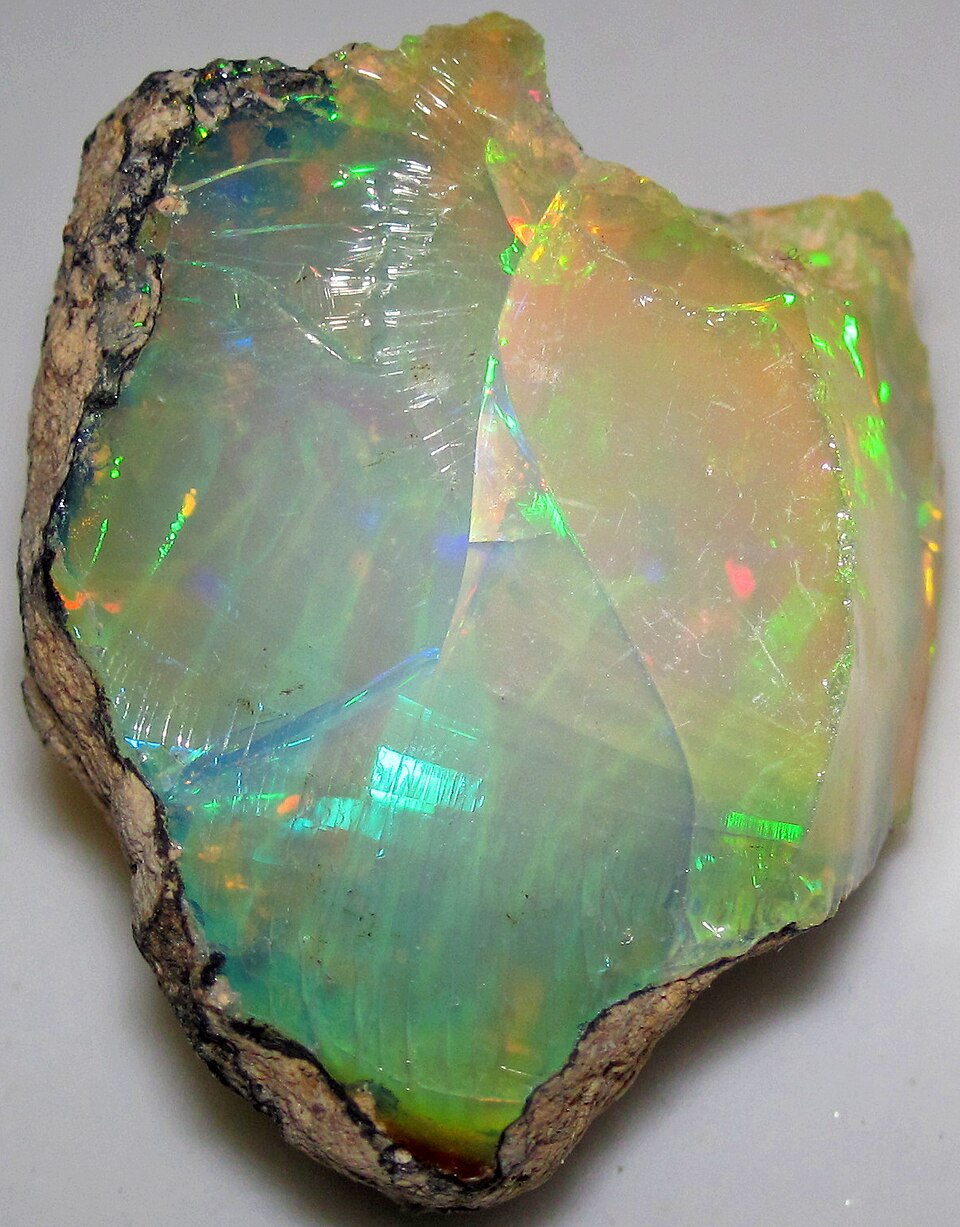
Photos illustrate the named types; they are not specimens from every listed location or stones offered for sale. Regional names describe origin, while terms such as black, crystal, matrix, and hydrophane describe different qualities that can overlap.
The opal family tree
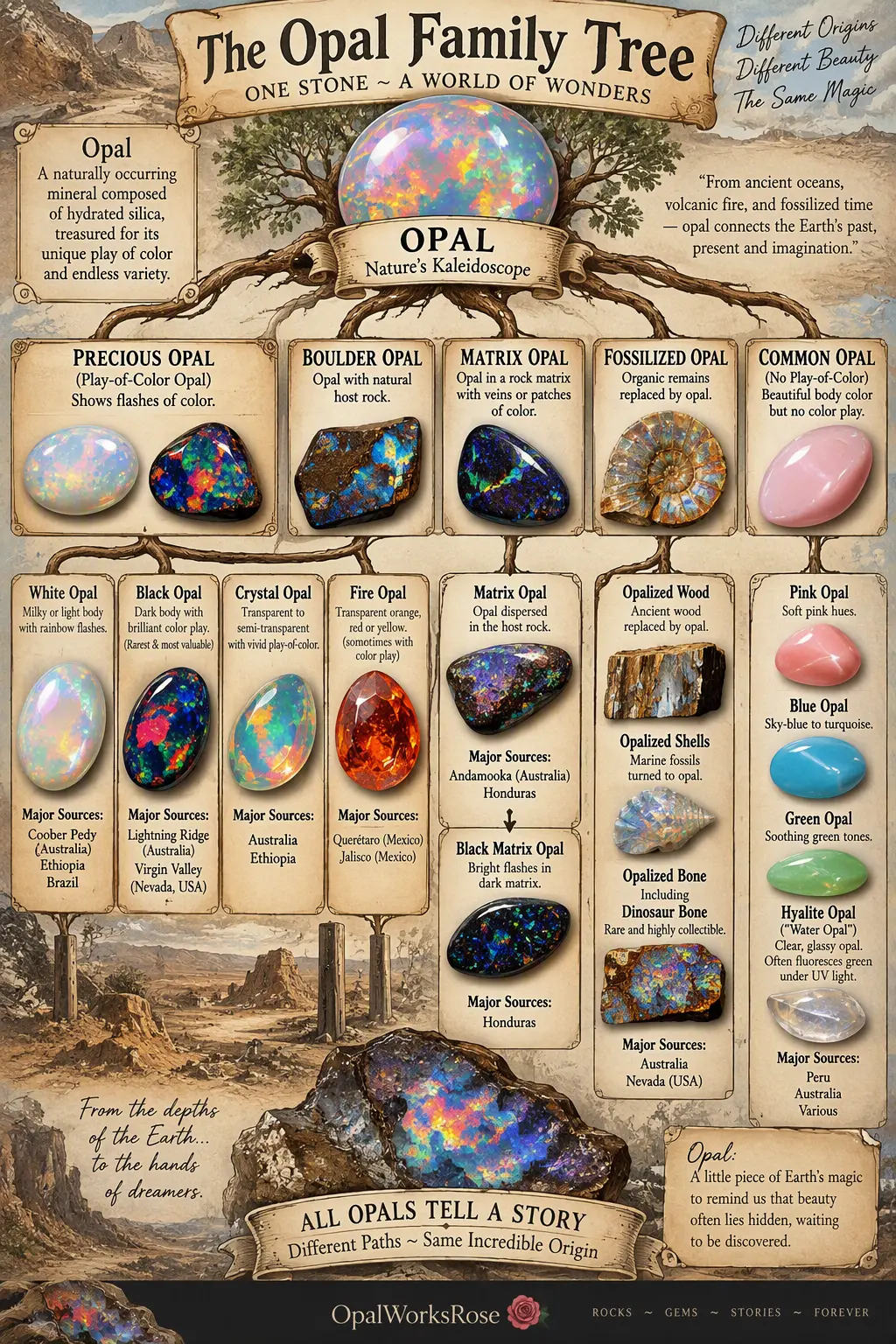
The OpalWorksRose collector’s poster — different paths, same incredible origin.
The regional atlas
Opal sources around the world
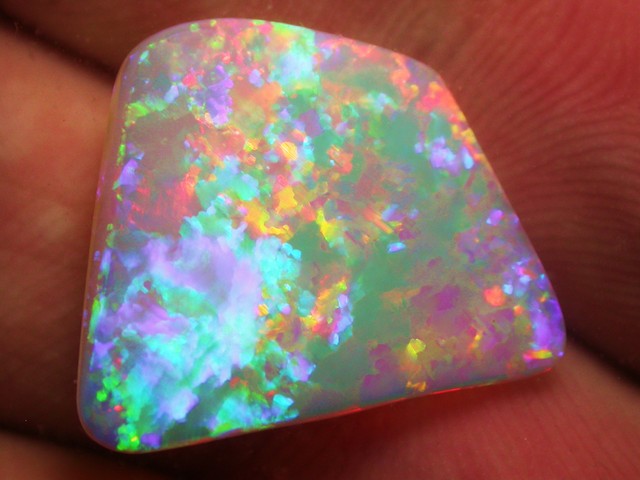
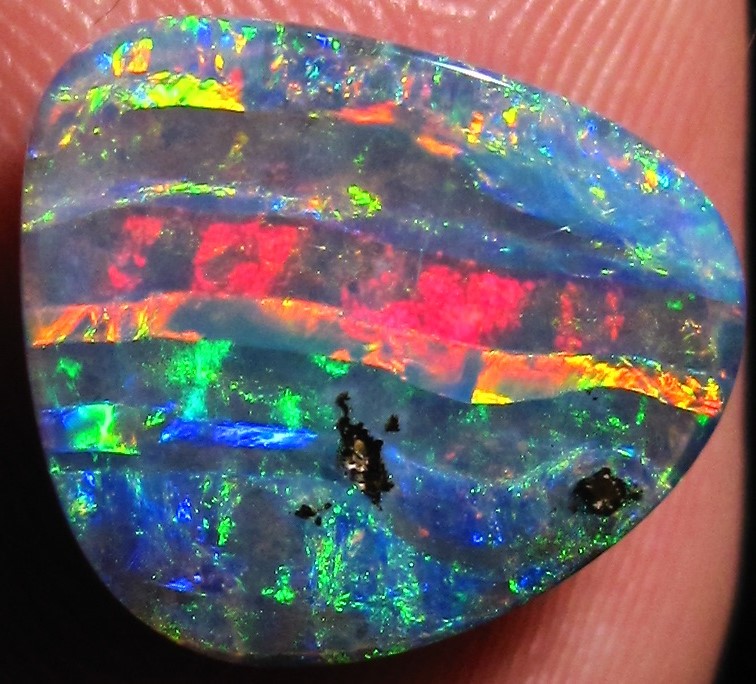
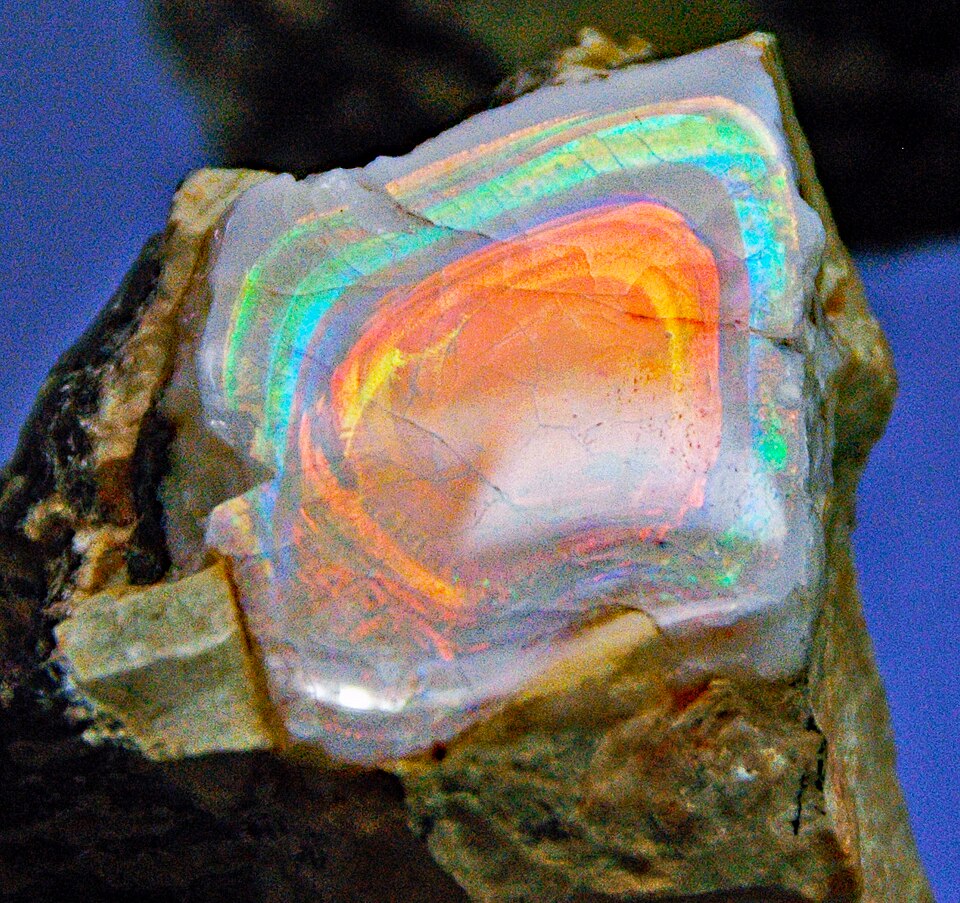
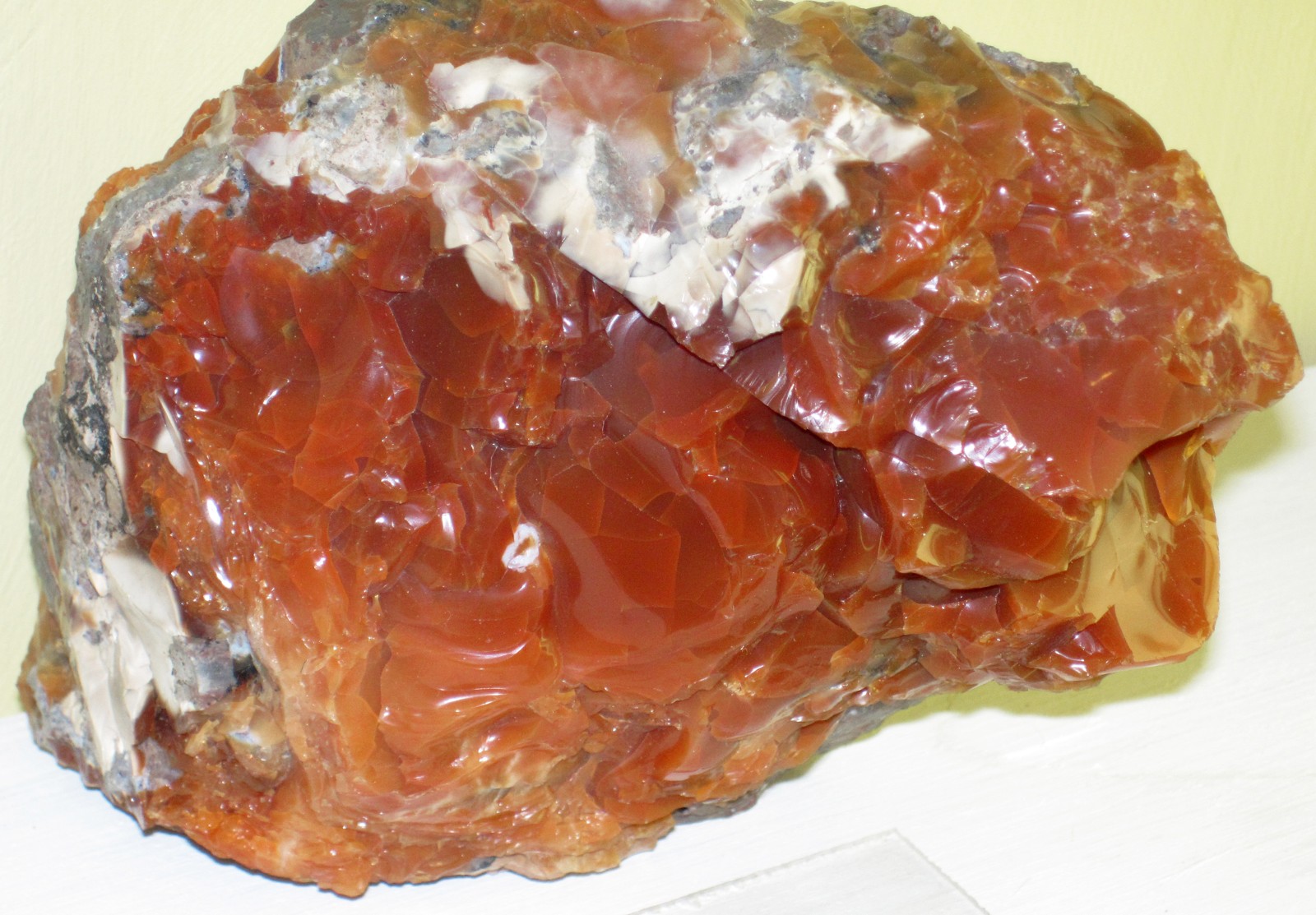
Fourteen locations from Jerry’s reference chart, paired with representative examples of their celebrated varieties. The photographs illustrate types, not verified stones from each field.
Regional setting: many Australian opal fields occur in weathered sedimentary rocks, where silica-bearing water deposited opal in cracks, cavities, and sometimes fossils.
Characteristic colors
Red, green, blue, violet
Why it’s famous
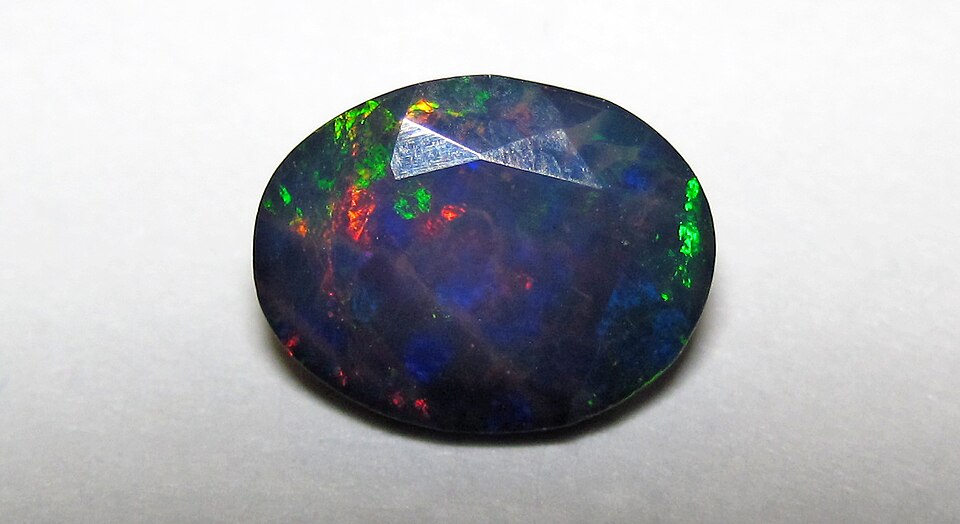
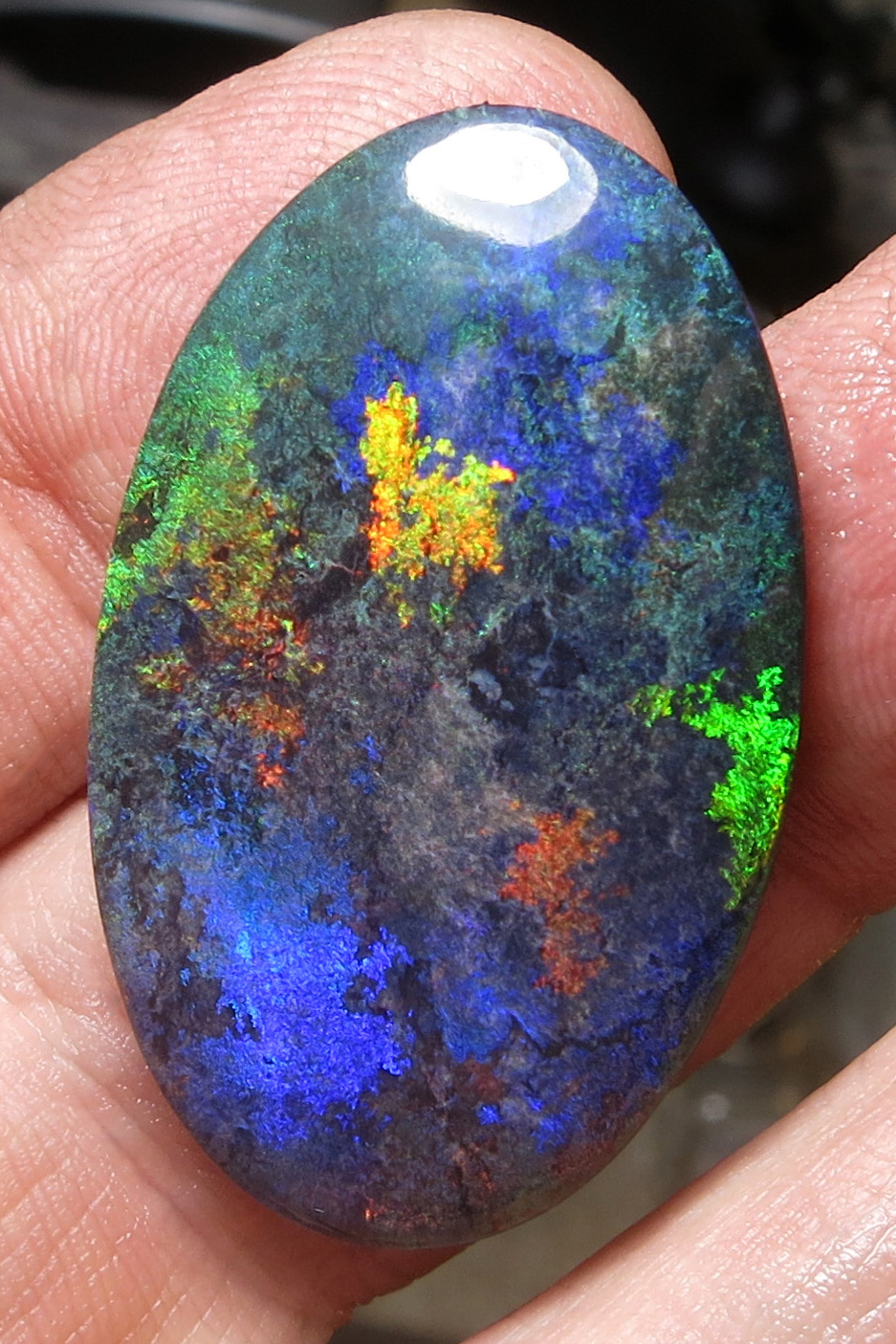
Celebrated for exceptionally fine black opal. Its rare dark body tone creates dramatic contrast with electric rainbow flashes.
Regional setting: many Australian opal fields occur in weathered sedimentary rocks, where silica-bearing water deposited opal in cracks, cavities, and sometimes fossils.
Characteristic colors
Blue, green, pink, orange
Why it’s famous
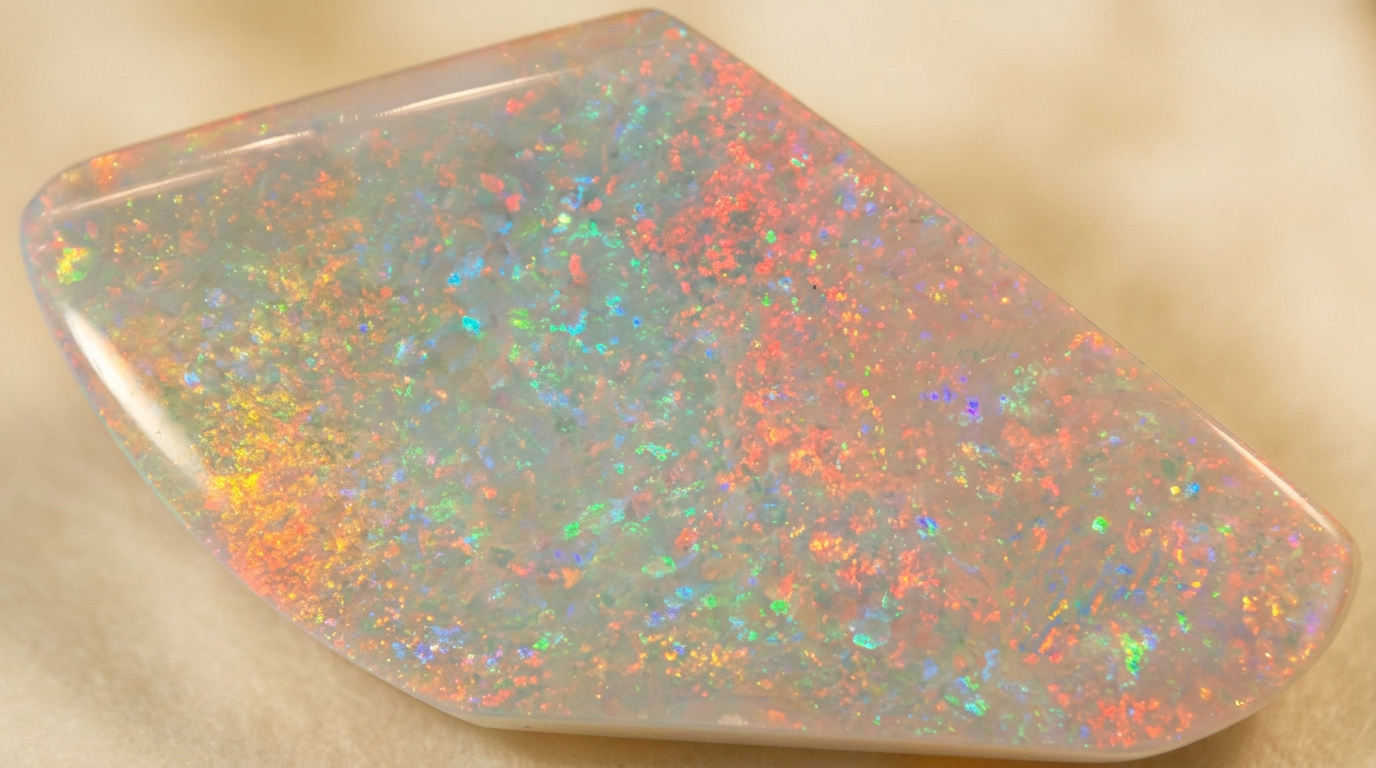
A major source of Australian white opal, famous for its underground mining town and pastel rainbow fire.
Regional setting: many Australian opal fields occur in weathered sedimentary rocks, where silica-bearing water deposited opal in cracks, cavities, and sometimes fossils.
Characteristic colors
Rainbow spectrum
Why it’s famous
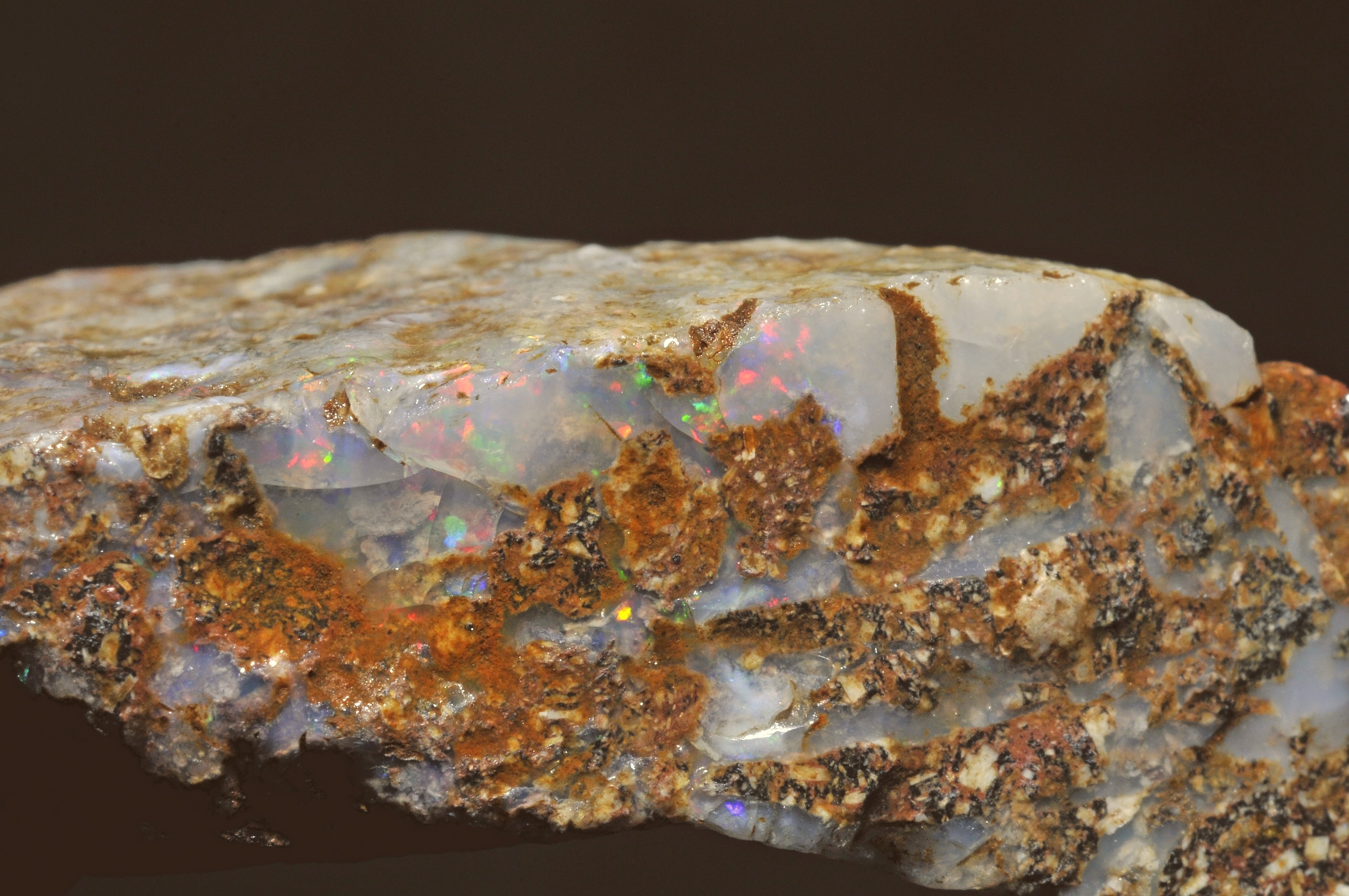
Known for crystal opal and distinctive matrix opal. Some matrix material is treated to darken the host and emphasize its color.
Regional setting: many Australian opal fields occur in weathered sedimentary rocks, where silica-bearing water deposited opal in cracks, cavities, and sometimes fossils.
Characteristic colors
Strong reds and greens
Why it’s famous
A historic field that produced exceptionally bright crystal and black opals, including high-grade gems.
Regional setting: many Australian opal fields occur in weathered sedimentary rocks, where silica-bearing water deposited opal in cracks, cavities, and sometimes fossils.
Characteristic colors
Deep blues, greens, and rainbow seams
Why it’s famous
The only commercial boulder opal field. Precious opal stays attached to its ironstone host rock, so every cut carries a dramatic natural landscape.
Regional setting: Spencer and Virgin Valley are associated with volcanic landscapes. Spencer is known for thin opal layers in rhyolite cavities; Virgin Valley also preserves opalized wood.
Characteristic colors
Red, gold, green, blue
Why it’s famous
One of America’s best-known precious opal sources. Thin rainbow seams form within rhyolite volcanic rock and are often used in doublets and triplets.
Regional setting: Spencer and Virgin Valley are associated with volcanic landscapes. Spencer is known for thin opal layers in rhyolite cavities; Virgin Valley also preserves opalized wood.
Characteristic colors
Brilliant rainbow colors
Why it’s famous
Known for spectacular precious opal in volcanic deposits. Some specimens preserve the structure of ancient wood.
Regional setting: silica-bearing fluids deposited opal in cavities and fractures in volcanic rock, creating the warm-colored material for which Mexico is famous.
Characteristic colors
Orange, red, honey yellow
Why it’s famous
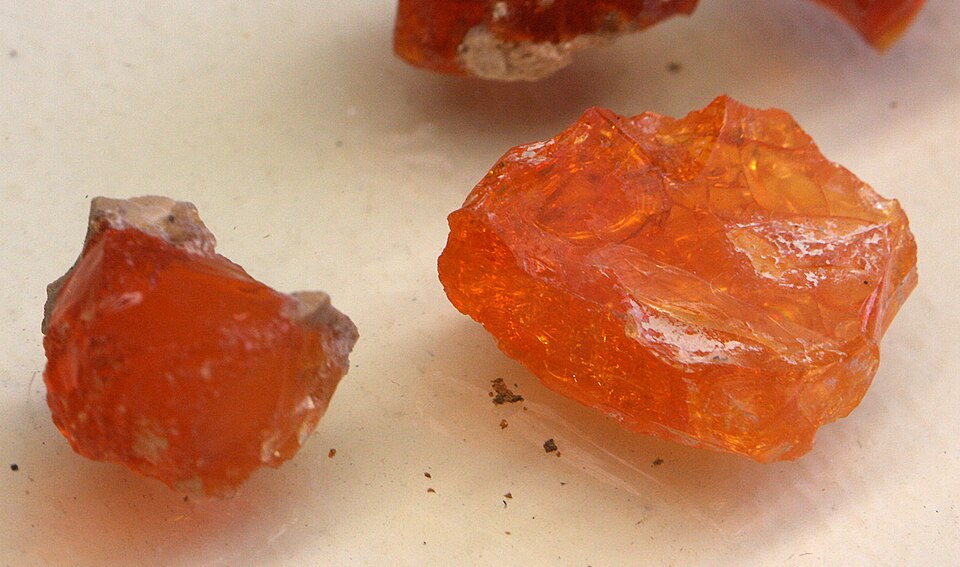
A celebrated source of transparent fire opal—the warm, glowing variety that first captured Jerry’s imagination in high school.
Regional setting: silica-bearing fluids deposited opal in cavities and fractures in volcanic rock, creating the warm-colored material for which Mexico is famous.
Characteristic colors
Fiery orange-red
Why it’s famous
Known for fine transparent fire opal with a rich, warm body color. Fire opal does not always display rainbow play-of-color.
Regional setting: celebrated Brazilian deposits include the Pedro II area of Piauí. White and crystal varieties can occur together; color alone cannot identify origin.
Characteristic colors
Soft pastel fire
Why it’s famous
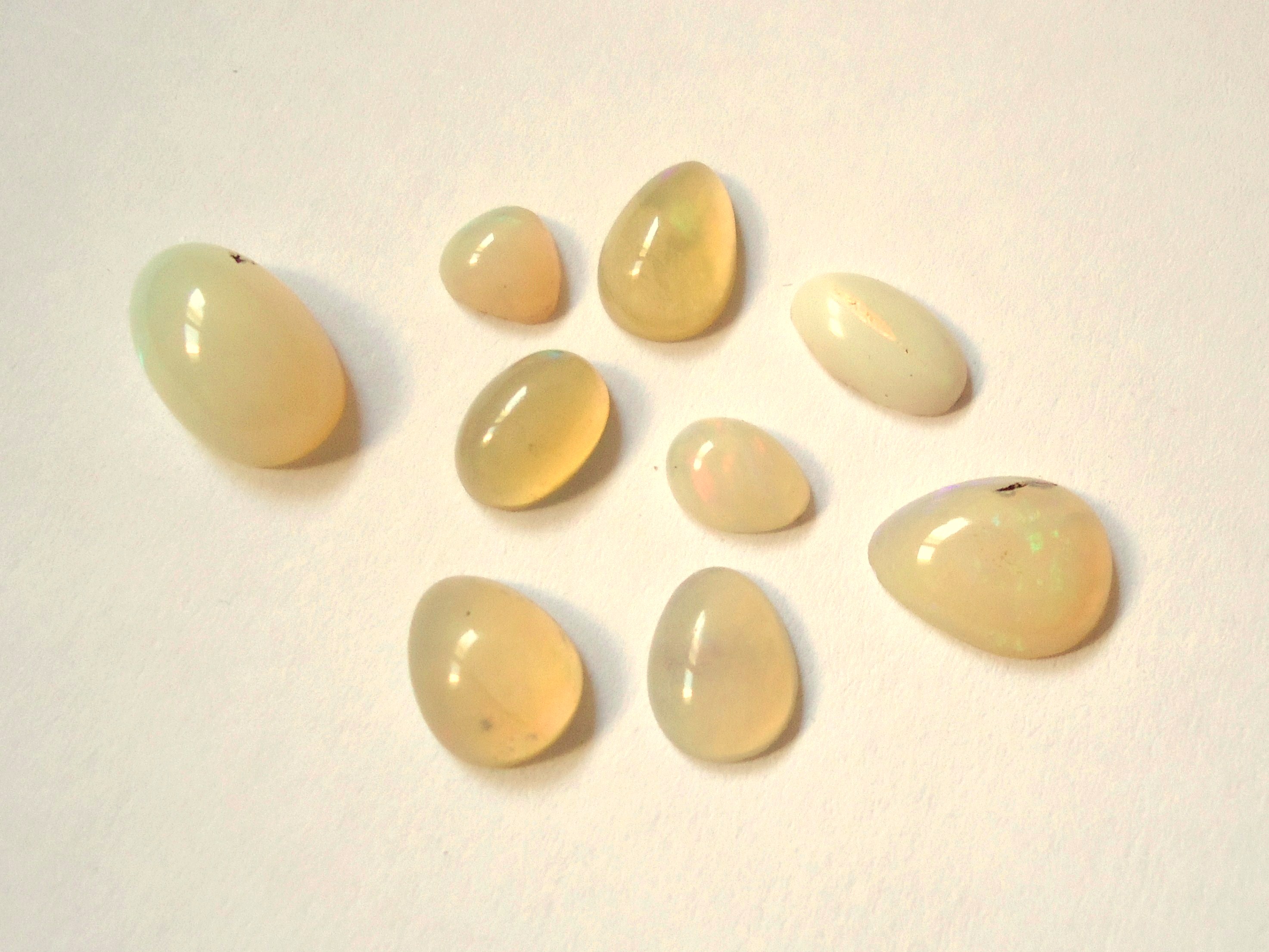
Known for gem-quality white and crystal opals, including material prized for its stability. Like all opal, it still needs gentle care.
Regional setting: the historic Dubník district contains precious opal in volcanic rock, a celebrated European source long before modern Australian discoveries.
Characteristic colors
Green and red flashes
Why it’s famous
Europe’s legendary historic opal source, with precious opal treasured by royalty for centuries.
From the ground to your jewelry
Know the source. Know the stone.
Origin
A country, region, or mine should come from supplier records—not a guess based on color. A place listed in this guide is not a claim that our jewelry comes from that place.
Construction & treatments
Look for whether the stone is solid opal, natural host-rock material, a doublet, or a triplet. Ask about known dyeing, smoke treatment, or other enhancements.
Our current collection
This storefront contains sample listings. Product-level source details remain pending verification where documentation is unavailable; we do not claim a confirmed mine or supplier.
What makes the rainbow?
Precious opal displays play-of-color as light interacts with orderly microscopic silica spheres. Fire opal is named for its warm body color; not every fire opal has rainbow flashes.
This guide follows Jerry’s reference chart. The origin and any known treatments of an individual jewelry stone belong on its own verified listing—not inferred from its color or appearance.